
Q&A
Honest answers to the questions women ask most

Before we talk about dogs, we need to talk about you: the life you are living right now, not the one you are planning. These are the questions women ask me most often at the very beginning. Some of you will finish this page certain the time is right. Some of you will decide it isn't, or not yet. Either answer is a good one if you reach it with your eyes open.
Deciding Whether a Dog Is Right for You
-
No, and the difference matters more than almost anything else in this decision. Wanting a dog is easy. Being ready means your actual days can accommodate another creature who is entirely dependent on your reliability. The honest question isn't whether the idea appeals to you. It's whether the life you are living today, not a tidier future version of it, has room for a dog.
-
A dog does not complete a woman's life, and a woman who needs a dog to feel complete is probably not ready for one. What the right dog, at the right time, in the right life, does is expand your life with companionship, presence, and a particular kind of daily joy. If you come to it already whole, a dog becomes one of the best parts of an already good life.
-
Your day acquires a shape built arpund moring outings, regular meals, and another creature’s needs. Your home changes too: there is another presence that notices when you leave and marks the moment you return. Most women find, after a few months, that the structure adds steadiness and purpose rather than burden.
-
Yes, with the right arrangements. The key word is predictable. A dog on a consistent schedule, with a mid-day walk to break up the day, will often adapt. If you can’t provide a morning walk, an evening walk, and reliable midday support, the honest answer maybe “not yet.”
-
No. What matters is not square footage but access to the outside world and a commitment to using it. A yard is not a substitute for a walk. Do match the dog's size and energy to your space.
-
A dog does not eliminate your freedom to travel. It changes how you exercise it. Every trip now needs a trusted pet sitter, a well-run boarding arrangement, or a friend who genuinely enjoys dogs and can be relied upon. If you travel constantly or prize leaving at a moment’s notice, give that honest thought before the dog arrives, not after.
-
Sometimes. More often, it doesn't, and that is worth knowing before you choose.
-
This is not a question about capability. You are almost certainly capable. It is a question about your willingness to show up consistently and to put a dog's needs alongside your own, every day. If the idea of being someone's anchor feels like a welcome purpose rather than a weight, that is a good sign.
-
It is worth pausing. Dogs flourish in stability, so if you are in the middle of a move, a job change, or major loss, consider letting the dust settle first.
-
Consider fostering. You provide a temporary home for a dog through a rescue organization while a permanent placement is arranged. It answers the one question no amount of reading can answer in advance: what does it actually feel like to have a dog in my life?
Not sure where you stand? Take the free Dog Readiness Self-Assessment and find out, honestly, whether this is your moment. All of the free guides are on the Companion Guides. The full conversation is in The Pink Leash: A Single Woman's Guide to Choosing, Loving, and Living with a Dog.
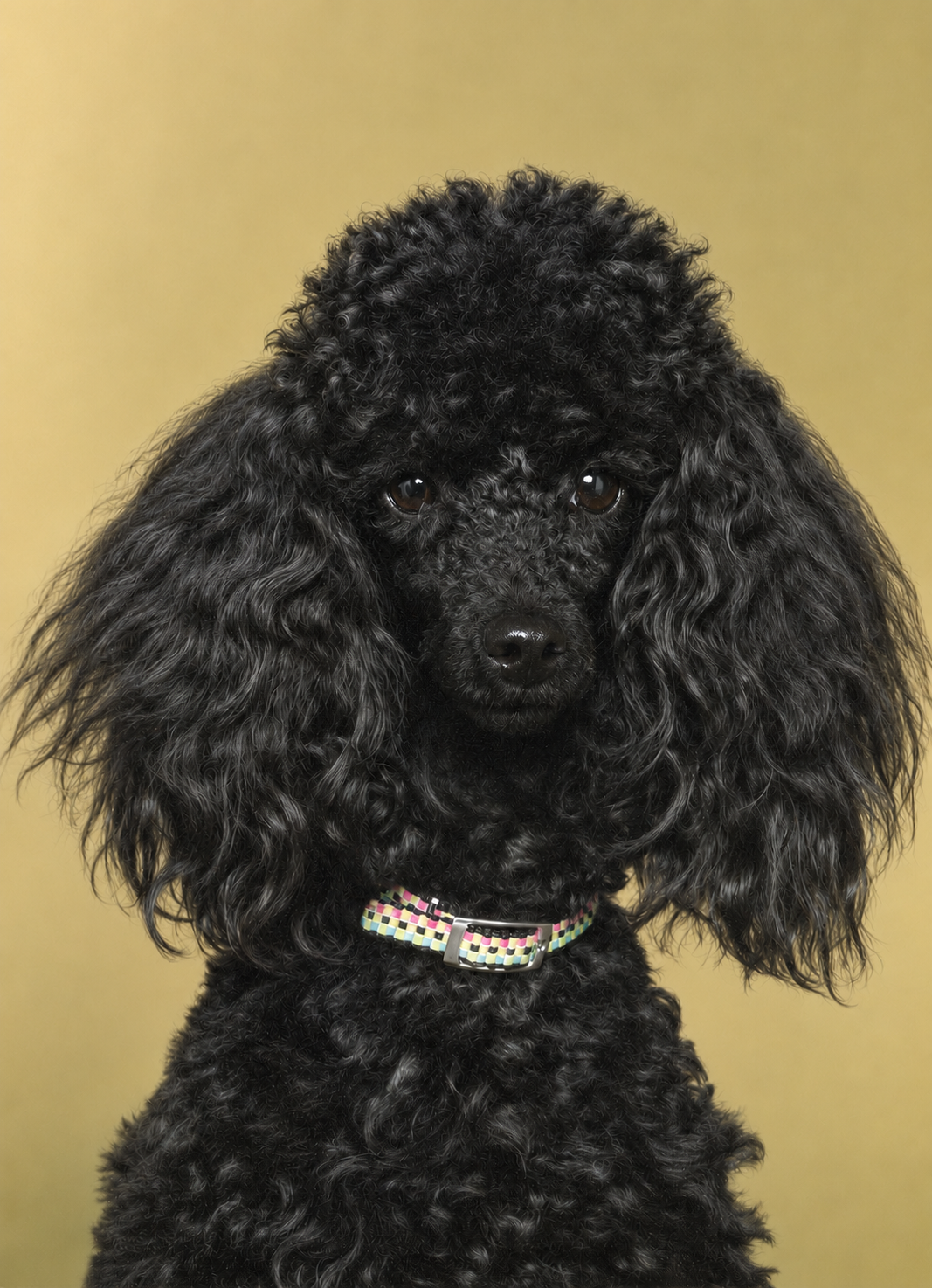
There is no best dog. There are no perfect dogs. There is only the right dog for you, and finding it begins with a different question than most people ask. Here is how to think about the choice, where to look, and what to watch for when you finally meet the dog.
Choosing Your Dog
-
There isn't on. Dogs are individuals, and what makes a partnership work is the fit between the dog and the life it is joining. Begin instead with this: what is my life actually like, and what kind of dog will be happy as part of it?
-
Make a deliberate choice, not a default. Puppies are wonderful and very demanding, and their adult personality takes a yeyar or to to develop. An adult dog is easier to assess, and often arrives housebroken, which makes it a better match for many women.
-
Yes. The belief that the deepest bond only begins with a puppy is a myth. Adult dogs form profound attachments, often with a speed that surprises people. Simply give the dog’s personality time to emerge once it is home.
-
Neither, as a rule. Once a dog is altered, most of the differences diminish and what remains are modest tendencies, not rules. Let the individual dog in front of you guide the decision more than its sex.
-
A great deal. Energy reveals itself every single day, and it determines whether life together feels natural or effortful. A dog whose need for exercise and engagement matches your routine will settle; a mismatched dog leaves you both unhappy.
-
Each is a legitimate path to a wonderful dog, and none is inherently superior. What matters is that the source is ethical and gives you honest information rather than a sales presentation.
-
A responsible breeder health-tests breeding dogs for conditions known to affect the breed, raises litters in a home environment or close to it and screens buyers as carefully as you screen her. She takes back any dog whose placement doesn't work out, and she remains a resource for years. A breeder eager to sell you a puppy quickly with minimal conversation is showing you a warning sign.
-
Unless the store partners with a rescue, that puppy almost certainly came from a puppy mill, where breeding dogs live in cages with inadequate care. Buying that puppy does not rescue it. It funds the operation that produced it.
-
Fraudulent sellers post photographs of dogs they don't have, and collect payment for animals that never arrive. The tell is a request for payment by a method that can't be reversed. The rule that protects you is simple: never bring home a dog from any source you cannot verify in person.
-
Watch before you engage. Take two or three minutes to observe the dog’s baseline, then sit or crouch, keep your hands still, and let the dog come to you. The goal of a first meeting is not to fall in love. It is to gather honest information.
-
In the right meeting, something shifts. Women describe it as recognition. The feeling is real, but it is a signal, not a conclusion. It doesn't tell you whether the dog's energy matches your life or whether its needs are ones you can meet. Ask if what you’ve seen aligns with your life. The right connection also persists: it survives the drive home, a night’s sleep, and the practical questions of the next morning.
Match the dog to the life you actually live with the free Lifestyle Match Checklist. Talking to breeders? Bring the Breeder Questions. Visiting shelters? Start with the Shelter Rescue Guide, and keep the Red Flags list close. All of the free guides are on the Companion Guides. The whole decision, start to finish, is in The Pink Leash.

The paperwork is signed and your dog is coming home. What happens in the first hours and weeks will shape your partnership, not because early mistakes are permanent, but because early patterns tend to persist. Here is how to give your dog the best possible start.
The First Weeks
-
Have everything in place before the dog walks through the door: a crate or bed, bowls, a collar with an engraved ID tag, a leash, a baby gate, and some of the food the dog has been eating. Then walk through your home with fresh eyes and remove anything at floor level you don't want chewed.
-
Somewhere smaller than your whole home, but not the bathroom. Choose a corner of the kitchen or living room, ideally with an exercise pen, where the dog can watch you go about your routine. Most dogs expand naturally into the rest of the home as their confidence grows.
-
Keep it calm. Secure the dog in a carrier or appropriate restraint, keep your voice low, and have someone else drive if you can. Make certain the dog is securely leashed before you open the car door. Too many newly adopted dogs bolt in fear on arrival.
-
Give the dog space. Start with a few calm minutes outside so it can relieve itself, then let it explore the area you've prepared without forced interaction. Visitors can wait; the dog needs quiet, and it needs you.
-
It's normal, and it doesn't mean you chose the wrong dog. A dog in distress needs reassurance, not an endurance test, so offer comfort quietly and calmly. Moving its bed or crate into your bedroom may help it feel safe.
-
Longer than most people expect, and it varies. Some dogs settle within a few hours while rescue dogs in particular may need several weeks to decompress. Don't draw conclusions about who your dog is too soon.
-
On the first day. Predictable times for meals, outing, and sleep are among the most effective ways to help a new dog feel safe. You don't have to be perfect, but be as consistent as you can manage.
-
House training isn't complicated, but it is unforgiving of inconsistency. Take the dog out first thing in the morning, after meals, naps, and play, and before bed, and reward it warmly the moment it eliminates. When an accident happens, clean it with an enzymatic cleaner and say nothing.
-
To come when called reliably, every time. It is the skill that keeps a dog safe and earns it freedom. Begin the day the dog comes home: use one consistent word, reward generously, and never call your dog for something it dislikes.
-
Because how a dog learns shapes who it becomes. Punishment can stop a behavior, but it costs trust. Rewarding the behavior you want build a dog that is engaged, confident, and willing to work for you. That’s the difference between a dog that complies and a dog that participates.
-
Socialization means introducing a dog to the people, animals, places, sounds, and experiences of its world in a positive way so that novelty doesn't become fear. For puppies the critical window begins to close around three to four months of age, so start early and ask your veterinarian what is safe in your area. Adult dogs can be socialized too, and many need it.
-
Within the first week or two of bringing your dog home, while it is healthy. A baseline wellness visit gives your veterinarian a record of your dog's healthy state and puts the relationship in place before you need it.
Get the free First Week Checklist so nothing is forgotten on day one, and track progress with Training Milestones. All of the free guides are on the Companion Guides. The full first-weeks guidance is in The Pink Leash.

A dog does not ask you to give up the life you have built. It asks you to bring the same thoughtfulness and intention to the partnership that you have brought to the rest of your life. These are the questions that come up once the dog is home and the real living begins.
Living Well Together
-
Most of it happens in the long, ordinary middle that books about dogs tend to skip. The day starts with your dog, the morning walk becomes something you look forward to, and rituals form without being designed. The small moments don’t photograph well, but they accumulate into the thing itself.
-
The same way it's built between people: reliability, consistency, and being treated well over time. A dog that is fed, exercised, comforted, and guided learn that you can be counted on. There is no shortcut.
-
Look at the whole dog, in context. A relaxed dog moves loosely and carries its weight evenly, while a stressed dog may yawn, lick its lips, turn away, or stiffen. The more you observe your own dog, the better you'll read it.
-
It often does, but it isn't a substitute for people. A dog offers is its own kind of companionship: uncomplicated, fully present, and not keeping score. The woman who has both kinds of companionship in her life is fortunate.
-
Thoughtfully, because your vet is the most important professional relationship in your dog's life. Look for clinical competence you trust, a communication style that suits you, and someone who treats your dog as an individual. Ask how the practice handles emergencies, anxious dogs, and estimates.
-
Carefully, because dog training is almost entirely unregulated. Ask directly about methods, look for positive reinforcement, and be wary of correction, dominance language, or equipment designed to cause discomfort. A good trainer welcomes reference checks and observation and teaches you as much as she teaches the dog.
-
A trainer teaches skills: house training, and leash manners. A behaviorist addresses concerns beyond basic training, including significant anxiety, fear, and aggression. If your dog bites or threatens to bite, panics when left alone, or has fears that interfere with daily life, contact your veterinarian promptly rather than waiting.
-
Turn the guilt into arrangements. The feeling reflects genuine care, but leaving is not a betrayal, and many dogs do well when a trusted caregiver keeps their routine. They are not suffering; they are waiting, and there is a difference.
-
Often, yes, and many women find it one of the great pleasures of the partnership. Not every dog travels easily, and not every trip suits a dog, so assess honestly and research accommodations before you go. In a car, always use a crate or a secured harness.
-
No. Your dog does not need to come to dinner or the weekend away. It needs good care while you're gone. What changes is the planning, which soon becomes automatic. A woman with a dog often finds the world meeting her in ways she didn't anticipate.
Build your dog's care team with the free Veterinary Practice Evaluation Guide and Pet Sitter Guide. Reading with friends? The Reading Club Guide is made for that. All of the free guides are on the Companion Guides. The full story of life with a dog, from the first morning on, is in The Pink Leash.

Your financial commitment begins before your dog sets a single paw in your home. None of this is meant to discourage you. It is meant to help you plan honestly, so that money is never the reason a good partnership falters.
Cost and Practical Logistics
-
Because rescuing dogs is expensive. Fees cover only a portion of veterinary care, spaying or neutering, vaccinations, microchipping, and foster care before a dog is placed. Ask exactly what’s included before you finalize anything.
-
Considerably more than a shelter adoption: anywhere from one thousand to several thousand dollars, depending on the breed. That price reflects health care and ethical practice. Price is not a reliable signal elsewhere, however.
-
A crate, a bed, bowls, a collar, a leash, and an engraved ID tag, plus a gate or pen, treats, and food. Add the adoption or breeder fee and a first veterinary visit, and you have a realistic starting figure.
-
Food is the most consistent expense andit vaies with the dog’s size and diet. Add grooming, training, and daily care support such as walkers, daycare, and sitters. Veterinary care sits on top of everything, including the unexpected injury or illness that will arise at some point
-
More than many first-time guardians expect. A dog that needs professional grooming every six to eight weeks represents a real annual expense. Even dogs that don't need a groomer need regular bathing, nail trimming, and ear care. Price this before you fall in love with a breed.
-
Daily care support: dog walkers, daycare, and pet sitters. It is often the largest non-medical expense in a dog guardian's budget, and the one most commonly underestimated.
-
More than you might think, and more than you would have a few years ago. Prices have risen sharply. Routine visits are only part of the picture, since emergencies, dental care, and chronic illness can add up considerably over a dog’s lifetime.
-
Either can work well, and many women use both. Insurance is best purchased while your dog is young and healthy. A savings fund means setting money aside every month and touching it for nothing else. What matters most is choosing your approach before the dog comes home, not after the first emergency.
-
Find her before you need her. Look for an insured, credentialed professional with a backup plan, and reviews from current clients. Meet in person first and watch how she approaches your dog. Then schedule a few short visits before your first long trip.
-
For most dogs, in-home pet sitting is the least disruptive option because your dog stays in its own environment with its routine intact. . Boarding with a trusted individual, someone whose home your dog already knows and is comfortable in, is a strong alternative, especially for longer trips. Professional boarding facilities vary enormously and should be visited in person before you commit.
-
Build in midday support from the start. A dog left alone for ten or twelve hours isn't receiving adequate care, however well-intentioned its person. A midday dog walker or daycare solves the problem, and both belong in your budget before the dog arrives.
See what a dog will actually cost you with the free Monthly Budget Worksheet, and line up care with the Pet Sitter Guide. All of the free guides are on the Companion Guides. The complete financial-readiness conversation is in The Pink Leash.
The information on this page reflects Julie Duke's personal experience over four decades of life with dogs and is offered for general guidance only. It is not a substitute for professional veterinary, behavioral, or training advice.